


Fertilizers
Urea 46% N: Granular vs Prilled — A Bulk Buyer's Guide
How granular and prilled Urea 46% N differ, which specifications matter in a bulk purchase, and what to include in a quotation request.
Read guideFertilizers
DAP 18-46-0 vs NPK Compound Fertilizers: A Guide for Distributors
What DAP and NPK grades such as 15-15-15 and 17-17-17 provide, when each is used, and how to specify them for wholesale supply.
Read guideFood commodities
ICUMSA 45 Sugar Explained: Specifications for Importers
What ICUMSA 45 means, how it compares with brown sugar grades, and the specifications importers should confirm before buying refined white sugar in bulk.
Read guideFrozen protein
Importing Frozen Chicken: Cuts, Specifications and Cold-Chain Checklist
A practical guide for food importers and distributors buying frozen chicken wholesale: common cuts, specification points, certification and reefer shipment.
Read guideMetals & scrap
Copper and Aluminium Scrap Grades: A Guide for Recyclers and Mills
How copper and aluminium scrap is graded, the trade names buyers use, and what to agree on inspection and loading for containerised scrap.
Read guideBioenergy
Wood Pellet Grades Explained: ENplus A1, A2 and Industrial Pellets
The difference between residential ENplus A1/A2 pellets and industrial pellets, the ISO 17225-2 parameters that matter, and how to specify wholesale supply.
Read guideEdible oils
Importing Sunflower Oil: Crude vs Refined, Specifications and Packing
A wholesale buyer's guide to sunflower oil: crude and refined grades, key quality parameters, flexitank, drum and bottled packing, and what to put in an RFQ.
Read guideRice & grains
Basmati, Jasmine or Long-Grain Rice? A Wholesale Buyer's Guide
How basmati, jasmine and long-grain white rice differ, the specifications importers check — broken percentage, moisture, grain length — and how bulk rice is packed and shipped.
Read guideNuts & dried fruit
Cashew Kernel Grades Explained: W240, W320 and Beyond
What cashew grades like W240 and W320 mean, how whole, split and pieces grades differ, and the quality and packing points wholesale nut buyers should confirm.
Read guideFish & seafood
Buying Frozen Mackerel and Pelagic Fish Wholesale: Sizes, Glazing and Reefers
A practical guide to importing frozen Atlantic mackerel, horse mackerel, sardines and herring: size grading, glazing, block packing, cold-chain and documentation.
Read guideTimber & forestry
Eucalyptus Logs and Woodchips: A Buyer's Guide for Pulp, MDF and Energy
How eucalyptus and pine logs are specified — with or without bark, diameter, length — and how pulp, MDF and energy woodchips differ, with certification and shipment points.
Read guideTyres
Used Tyres and Tyre Casings for Export: Grading, Sizes and Container Loading
How used passenger and truck tyres and retreadable casings are graded, the tread-depth and size-mix points to agree, and how containers are loaded for export.
Read guideFertilizers
MOP vs SOP: Choosing the Right Potash Fertilizer for Your Programme
The difference between potassium chloride (MOP 0-0-60) and potassium sulphate (SOP), which crops each suits, and how to specify potash for wholesale supply.
Read guideGrains
Buying Wheat and Maize in Bulk: Grades, Protein and Shipment Basics
How milling wheat, feed wheat and yellow maize are graded, the specifications that matter in bulk grain trade, and how vessel and container shipment works.
Read guideVegetable Oils
Palm Oil and Soybean Oil in Wholesale Trade: Forms, Grades and Packing
The traded forms of palm oil (crude, RBD, olein, stearin) and soybean oil (crude, refined), typical packing formats, and what to specify in a quotation request.
Read guideCoffee & Cocoa
Importing Green Coffee Beans: Arabica vs Robusta, Grades and Containers
How green coffee is graded and traded, the difference between arabica and robusta for roasters, and how container shipment and documentation work.
Read guideSolid Fuels
Natural Charcoal and Briquettes for Export: Types, Specifications and Packing
The differences between lump charcoal, instant briquettes, RUF and Pini Kay briquettes, the specifications buyers check, and typical export packing.
Read guideSteel
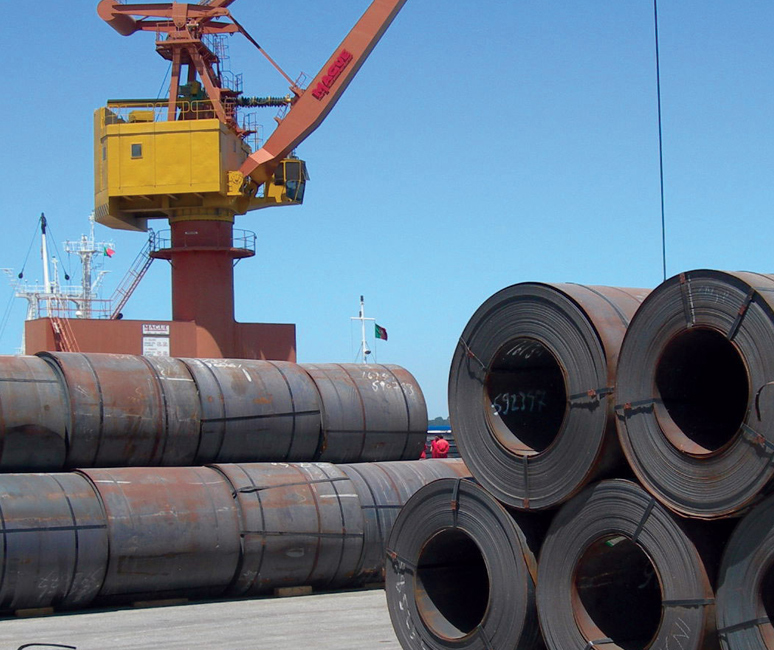
Hot-Rolled Steel Coils: Grades, Dimensions and Buying for Processing
How hot-rolled coil is specified by steel grade, thickness, width and coil weight, and what processors and service centres should state in a quotation request.
Read guideShipping & Incoterms
FCL, Breakbulk or Bulk? Shipping Commodities and Choosing Incoterms for Your RFQ
How importers choose between container (FCL), breakbulk and bulk-vessel shipment, which Incoterms® 2020 rules fit each mode, and the logistics details a quotation request needs.
Read guideAluminium
Buying Primary Aluminium Ingot: P1020A Specification, Packing and RFQ Checklist
A procurement guide for manufacturers and distributors buying aluminium ingot: P1020A chemistry, brand and certificate questions, ingot bundles, container shipment and the details an RFQ should include.
Read guideCopper
Copper Cathode and 8 mm Wire Rod: A Procurement Guide for Cable and Wire Makers
How cable makers and distributors specify Grade A copper cathode and Cu-ETP wire rod: standards, conductivity, coil formats, certificates and what to include in a quotation request.
Read guideTimber
Sawn Pine, Eucalyptus and Pallet Timber: A Wholesale Buyer's Guide
What packaging, pallet and construction buyers should specify when importing sawn timber: species, dimensions, drying, grading, ISPM 15 treatment, certification and container loading.
Read guideNeed current availability for a specific commodity? Submit an RFQ.
How these guides are written
Our guides give procurement information for professional buyers. They draw on recognised trade and specification frameworks — such as Incoterms® 2020, ISO and ENplus for solid biofuels, ReMA scrap specifications and LME contract specifications — where applicable, and they are reviewed and updated as needed. General market practice is described as such; BSL-specific terms are confirmed only in a written quotation.