

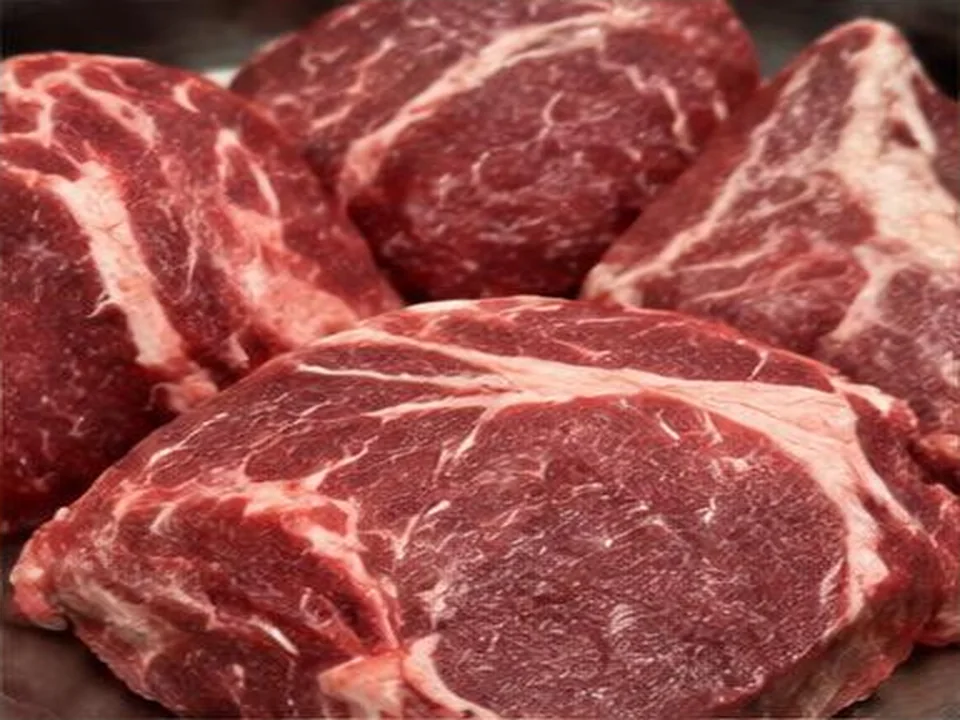
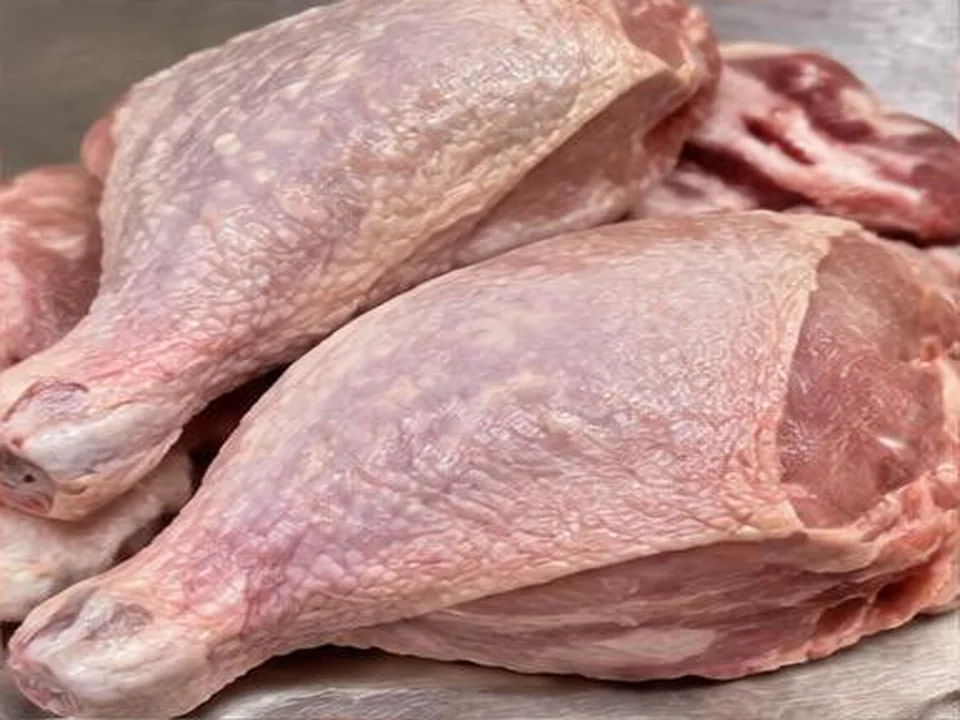
Common cuts in wholesale trade
The most traded items include leg quarters, whole birds, wings, breast fillets, drumsticks, thighs, feet and paws, gizzards and mechanically deboned meat (MDM). Demand for each cut varies strongly by destination market.
Specification points
Agree the cut definition, weight or size range, packing (for example IQF or block frozen, carton weight), glazing level, labelling, shelf life from production and storage temperature, typically −18 °C or colder.
Certification and plant approval
Most importing countries only accept product from plants approved for that market. Where required, confirm halal certification, the veterinary health certificate wording and any import permit before production is allocated.
Reefer shipment
Frozen chicken travels in refrigerated (reefer) containers. Ask for temperature records, check the container set point at loading and plan discharge and inland transport so the cold chain is never broken.
Frequently asked questions
- Which documents does a frozen chicken import usually need?
- Typically a veterinary health certificate issued by the origin authority, a halal certificate where required, a certificate of origin and the plant approval for your market. Your import authority decides the exact list.
- What temperature should reefers run at?
- Frozen poultry is commonly shipped at −18 °C or colder. Agree the set point and ask for the temperature record on arrival.
For professional buyers
Request a current quotation
BSL Enterprises confirms specification, availability and terms for each transaction in a written quotation. To receive a precise offer, include:
- Quantity per shipment and per year
- Destination port or delivery place
- Grade, specification and packaging
- Preferred Incoterm and documents
Products covered in this guide: Frozen Chicken Leg Quarters, Whole Chicken, Chicken Wings, Chicken Breast, Chicken Feet & Paws.
Request current quotationEditorial note: this guide summarises general procurement practice and recognised trade and specification frameworks where they apply. It is reviewed and updated as needed and is not a statement of BSL stock, pricing or capacity.