

Species and end use
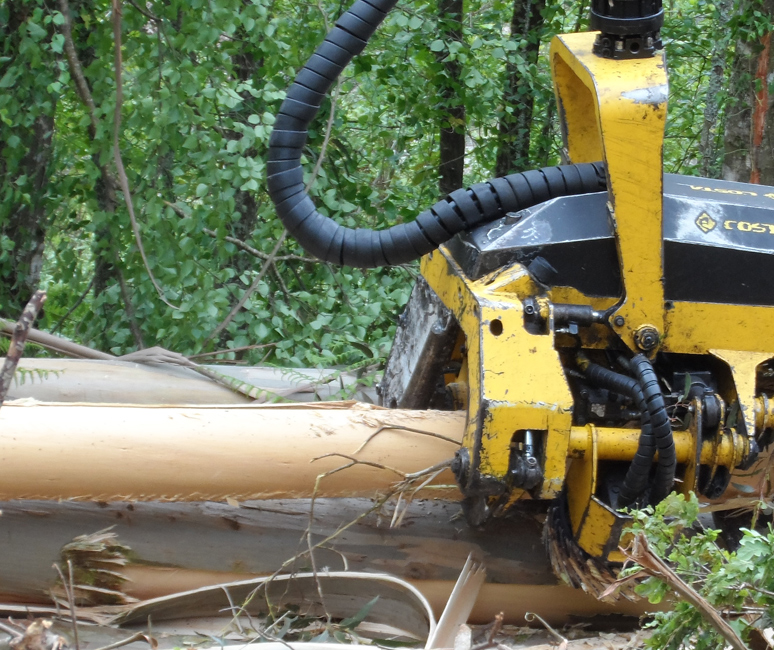
Pine is the common choice for pallets, packaging and general construction because it is light and easy to machine and nail. Eucalyptus is denser and stronger and is used for heavy-duty packaging and some industrial applications. Name the species and the end use — they drive the grade you actually need.
Dimensions, drying and grading
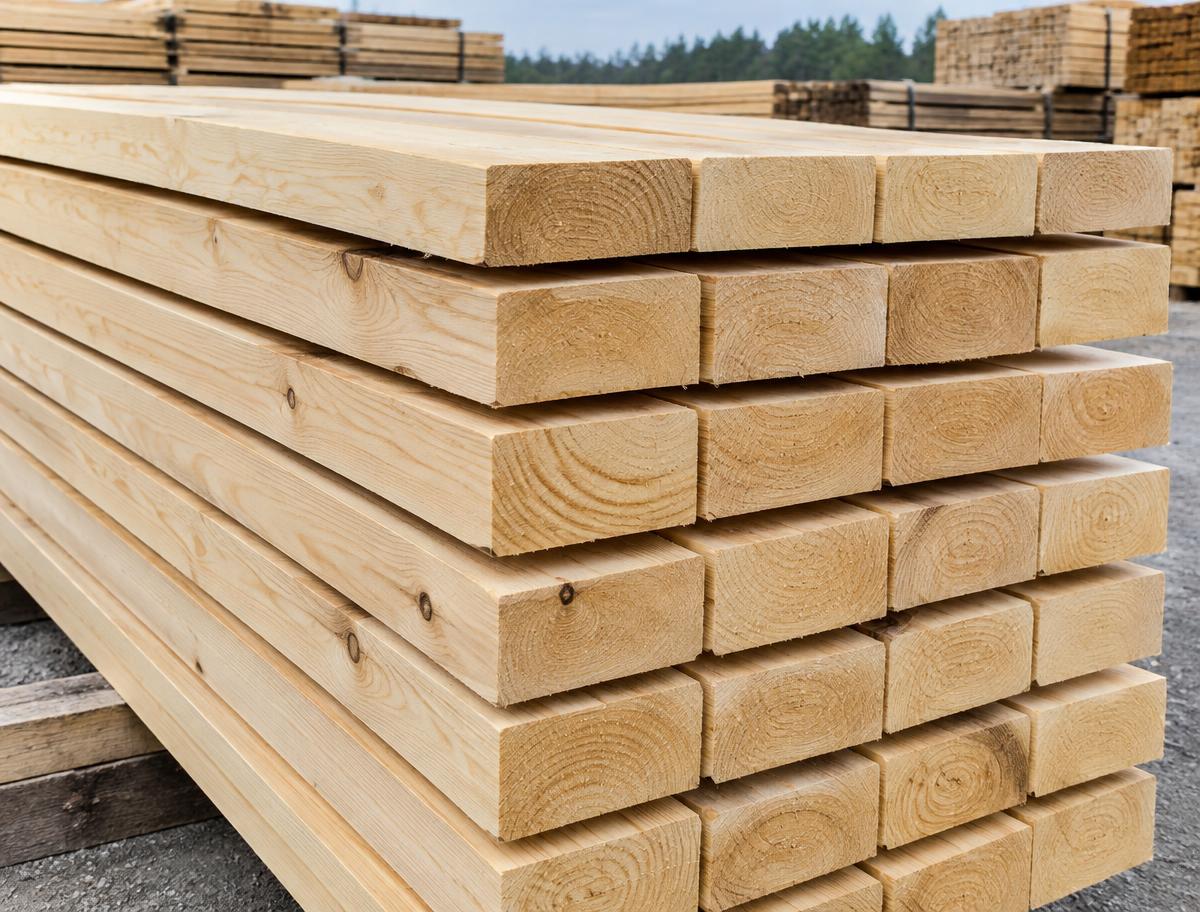
Specify thickness, width and length with tolerances, and whether boards are rough-sawn or planed. Drying matters: kiln-dried (KD) timber at a stated moisture content is more stable and resists mould in transit, while fresh-sawn timber is cheaper but riskier over long voyages.
For structural use, timber is strength-graded to standards such as EN 14081 with classes like C16 or C24. Packaging timber is usually graded visually for knots, wane and splits.
ISPM 15 for pallets and packaging
Wood packaging material moving internationally — pallets, crates, dunnage — must meet ISPM 15: an approved treatment such as heat treatment (core temperature of at least 56 °C for 30 minutes) and the official IPPC mark. If you buy pallet timber to build export pallets, confirm whether the timber is supplied heat-treated or whether treatment happens after assembly.
Certification and shipment
Many buyers require FSC or PEFC chain-of-custody certified timber; ask for the certificate code and that it appears on the invoice. Sawn timber usually ships in strapped packages in 40-foot containers or breakbulk, and plant-health rules at destination may require a phytosanitary certificate.
Frequently asked questions
- Does all export pallet timber need ISPM 15?
- ISPM 15 applies to the finished wood packaging used in international trade. Timber sold as a commodity follows the plant-health rules of the importing country instead, which may involve a phytosanitary certificate.
- Kiln-dried or fresh-sawn?
- Kiln-dried timber costs more but is more dimensionally stable and less prone to mould and blue stain in transit, which matters on longer container voyages.
For professional buyers
Request a current quotation
BSL Enterprises confirms specification, availability and terms for each transaction in a written quotation. To receive a precise offer, include:
- Quantity per shipment and per year
- Destination port or delivery place
- Grade, specification and packaging
- Preferred Incoterm and documents
Products covered in this guide: Sawn Pine Timber, Sawn Eucalyptus Timber, Pallet Timber & Packaging Wood, Industrial Timber.
Request current quotationReferences
Editorial note: this guide summarises general procurement practice and recognised trade and specification frameworks where they apply. It is reviewed and updated as needed and is not a statement of BSL stock, pricing or capacity.