
MOP: the volume standard
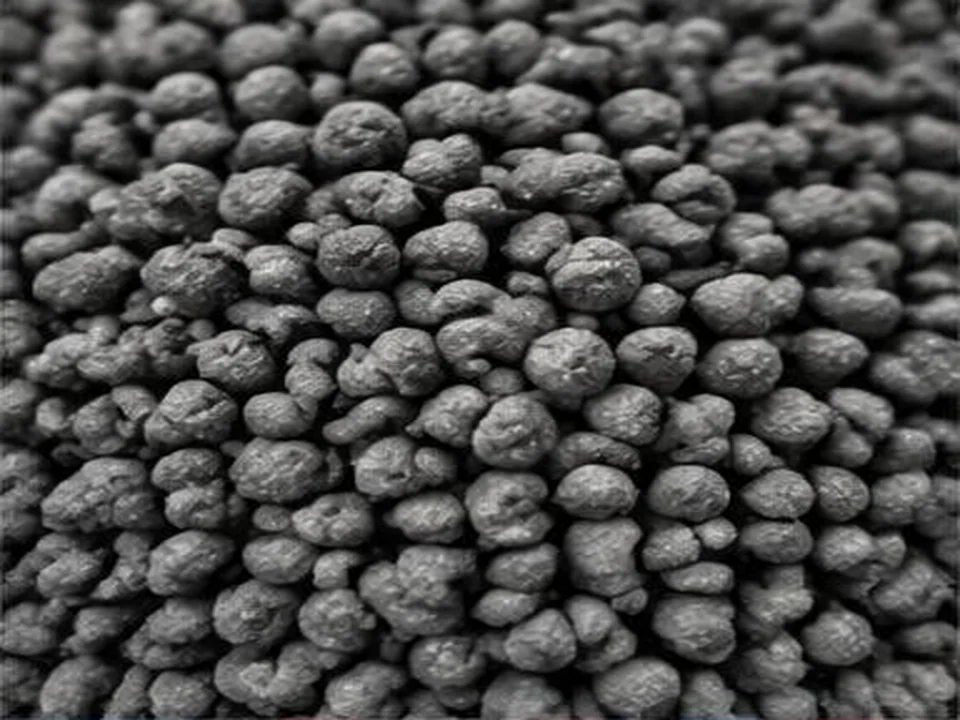
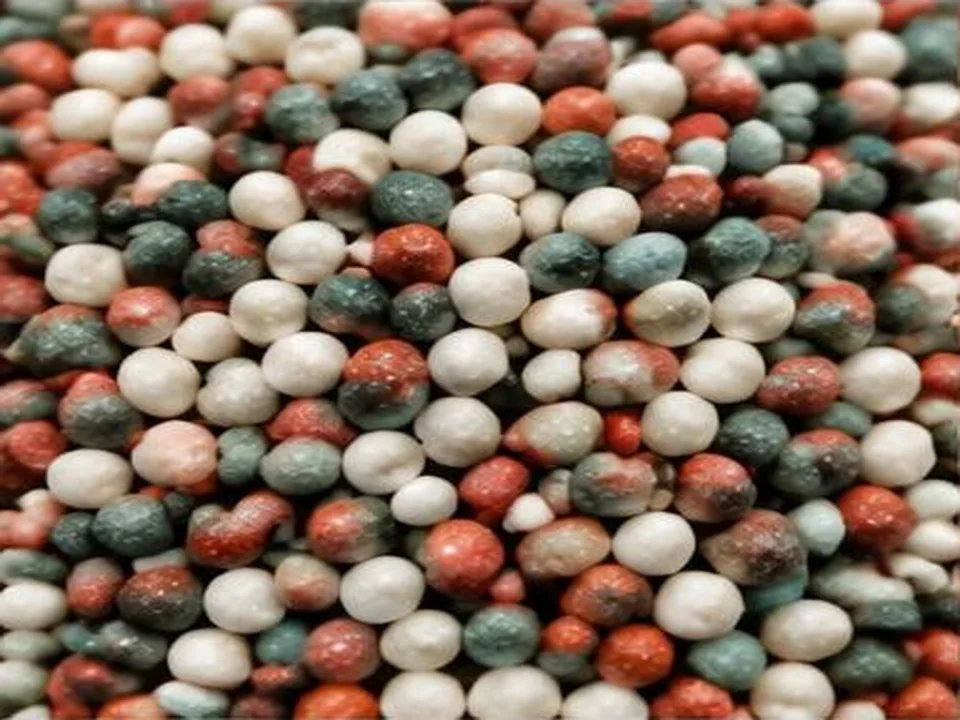
MOP 0-0-60 is the most widely traded potash fertilizer and the most economical source of potassium. It suits most field crops such as cereals, maize, oilseeds and sugar cane, where chloride is not a concern.
SOP: for chloride-sensitive crops
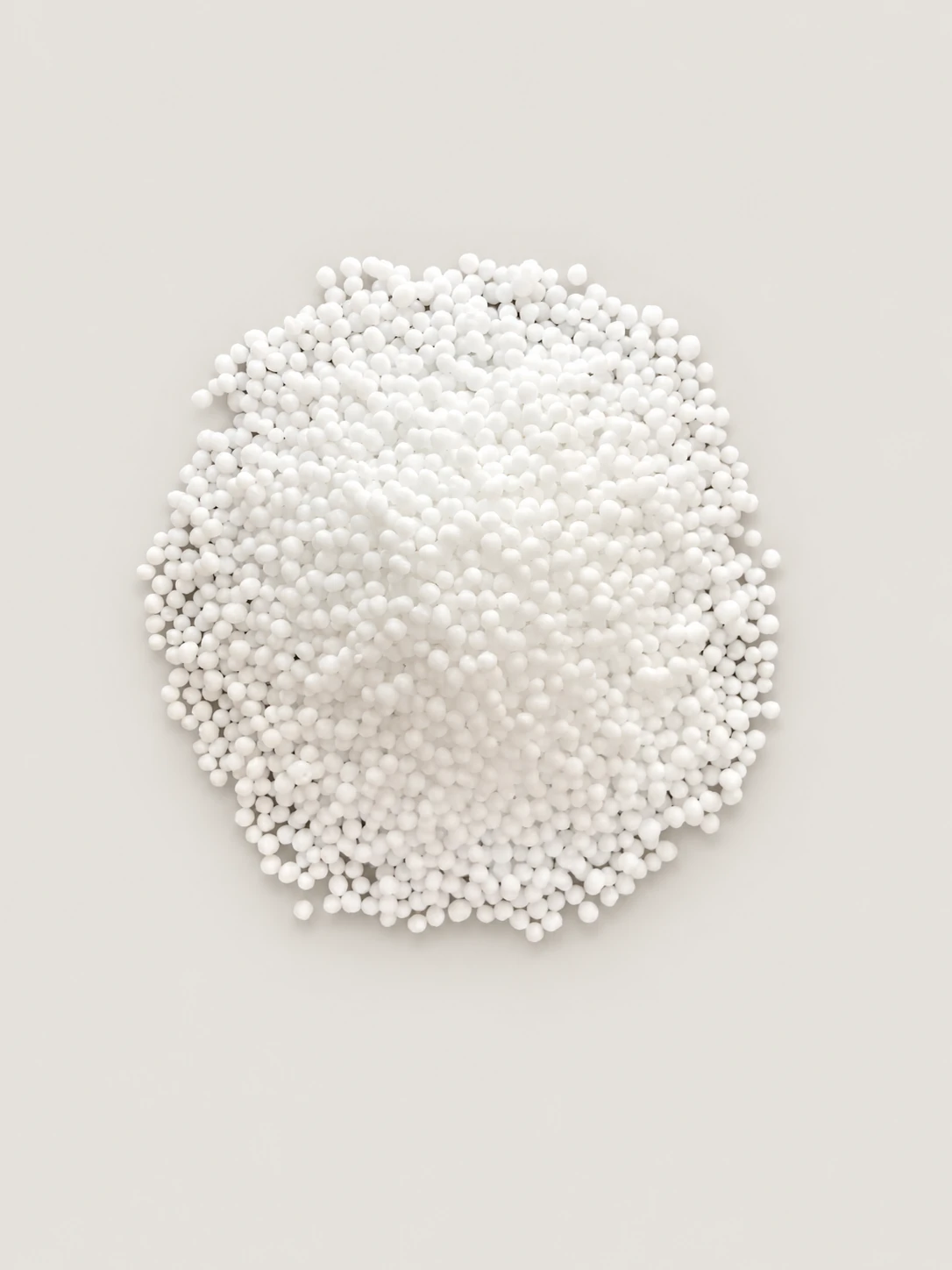
SOP provides potassium without chloride and adds sulphur. It is preferred for chloride-sensitive, higher-value crops such as fruits, vegetables, tobacco, potatoes and some nuts. It commands a price premium over MOP.
Specifications to check
For MOP, check K2O content (typically 60%), moisture, particle size and whether it is granular or standard grade. For SOP, check K2O content (typically 50–52%), chloride content (very low) and solubility if intended for fertigation.
What to include in your RFQ
State the product (MOP or SOP), grade, quantity per shipment, packing (bulk, big bag or 50 kg bags), destination port, Incoterm and the crops or blending use, so the right grade is offered.
For professional buyers
Request a current quotation
BSL Enterprises confirms specification, availability and terms for each transaction in a written quotation. To receive a precise offer, include:
- Quantity per shipment and per year
- Destination port or delivery place
- Grade, specification and packaging
- Preferred Incoterm and documents
Products covered in this guide: MOP / Potassium Chloride 0-0-60, SOP / Potassium Sulphate.
Request current quotationEditorial note: this guide summarises general procurement practice and recognised trade and specification frameworks where they apply. It is reviewed and updated as needed and is not a statement of BSL stock, pricing or capacity.