

Wheat grades
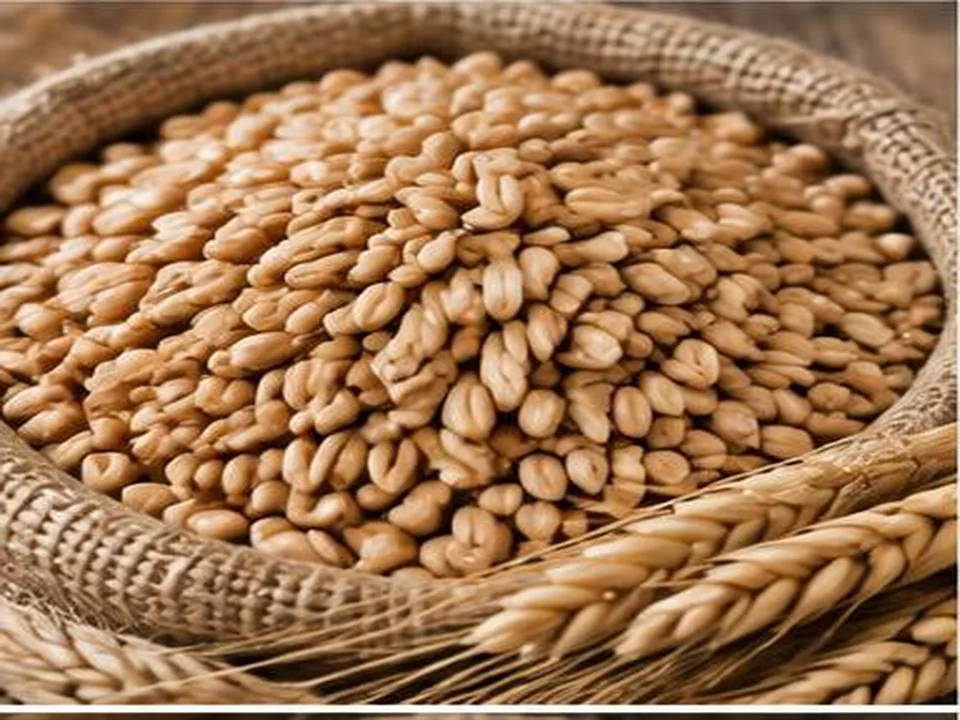
Milling wheat for flour is specified by protein content (commonly 11.5% or 12.5% and above), test weight, moisture and falling number. Feed wheat has wider tolerances and trades at a discount.
Maize specifications
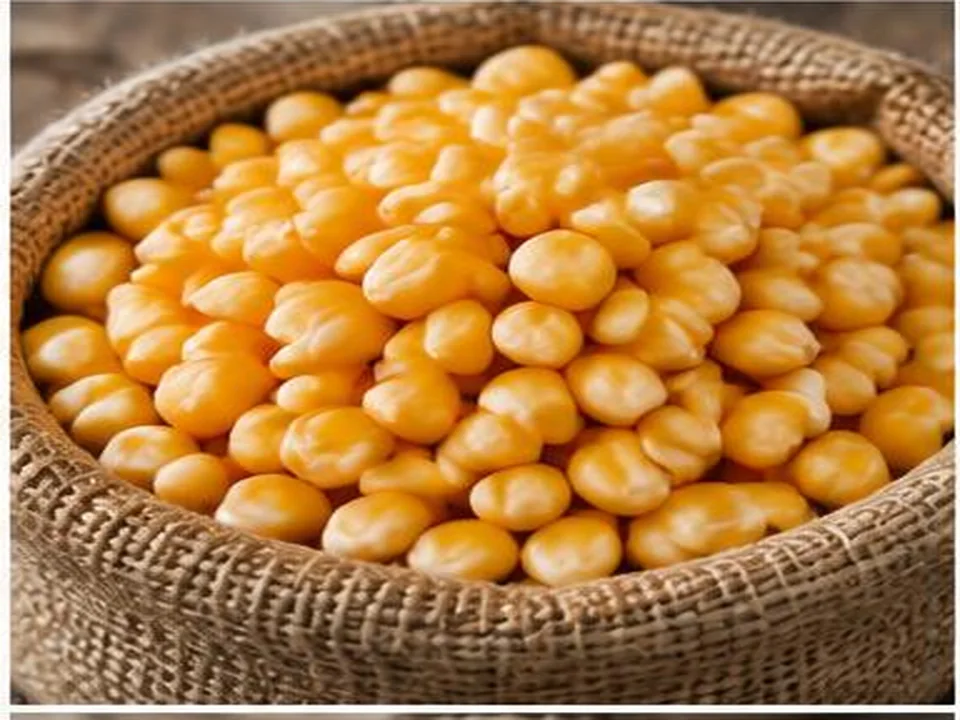
Yellow maize for feed is typically specified at grade 2 or 3, with maximum moisture around 14%, limits on broken kernels, foreign matter and damaged grains, and aflatoxin limits for feed safety.
Shipment formats
Large volumes move in bulk vessels from 10,000 tonnes upward. Smaller volumes and specialty grades can move in containers, bagged or in bulk liner bags. State your discharge port's draft and handling capacity.
What to include in your RFQ
State the commodity and grade, protein or use, quantity per shipment and programme length, packing, destination port, Incoterm (FOB, CFR or CIF), required inspection and any phytosanitary or GMO documentation needs.
For professional buyers
Request a current quotation
BSL Enterprises confirms specification, availability and terms for each transaction in a written quotation. To receive a precise offer, include:
- Quantity per shipment and per year
- Destination port or delivery place
- Grade, specification and packaging
- Preferred Incoterm and documents
Products covered in this guide: Wheat, Maize / Corn.
Request current quotationEditorial note: this guide summarises general procurement practice and recognised trade and specification frameworks where they apply. It is reviewed and updated as needed and is not a statement of BSL stock, pricing or capacity.